
Clear coverage for truckers who need to keep moving.
ClearSpan helps owner-operators, new authorities, motor carriers and fleets compare trucking coverage, filings, certificates and renewal options with straight answers from a real advisor.
Get a Trucking Quote
Share the basics. We’ll help identify the right questions, filings and markets for your operation.
Trucking insurance is not generic business insurance.
A trucking program can combine several coverages, each solving a different part of the risk. The right structure depends on authority status, equipment, freight, contracts, drivers and operating territory.
Primary Auto Liability
Third-party bodily injury and property damage for covered trucking operations.
Motor Truck Cargo
Freight protection built around commodity, cargo value and contract requirements.
Physical Damage
Collision and comprehensive protection for scheduled tractors, trucks and trailers.
General Liability
Coverage conversations for non-auto business operations and contract requirements.
Non-Trucking Liability
For eligible leased owner-operators outside dispatch or business use, subject to terms.
Trailer Interchange
Physical damage protection for non-owned trailers under qualifying agreements.
Occupational Accident
Specified injury benefits for eligible independent contractors, subject to policy terms.
Filings & COIs
Support paths for required filings and certificate requests after coverage is placed.

Freight type, value and handling change the insurance conversation.
General freight, refrigerated goods, vehicles, household goods and specialized loads do not create the same exposure. A useful quote starts with what you actually haul and how the load moves through your operation.
Explore motor truck cargo coverage →Real help for the details that decide your rate.
Truck insurance is shaped by more than a vehicle. Underwriters look at authority status, radius, cargo, units, drivers, loss history, inspection history and prior coverage. ClearSpan’s quote path is built to collect the right details from the start.
- Review for new ventures, owner-operators and small fleets.
- Policy conversations around cargo value, radius, filings and certificates.
- Renewal support when your current premium, limits or carrier fit no longer works.
- Clear next steps without burying you in insurance jargon.

Built for the trucking buyer, not a generic small business lead.
Owner-Operators
Primary liability, physical damage, NTL, bobtail and cargo conversations for independent drivers and leased operators.
Explore coverage →
New Authorities
Guidance around DOT/MC filings, limits, cargo needs and getting coverage in place before authority becomes urgent.
Start authority planning →
Small Fleets
Coverage reviews for multiple units, drivers, certificates, renewals, claims history and growth into new lanes.
Review fleet coverage →
Hotshot Trucking
Coverage planning for pickups and trailers used in time-sensitive commercial freight, with attention to weight, radius, cargo and authority.
Explore hotshot insurance →Box Truck Operations
Insurance guidance for local and regional box trucks, delivery fleets and contract carriers where vehicle use and cargo matter.
Explore box truck insurance →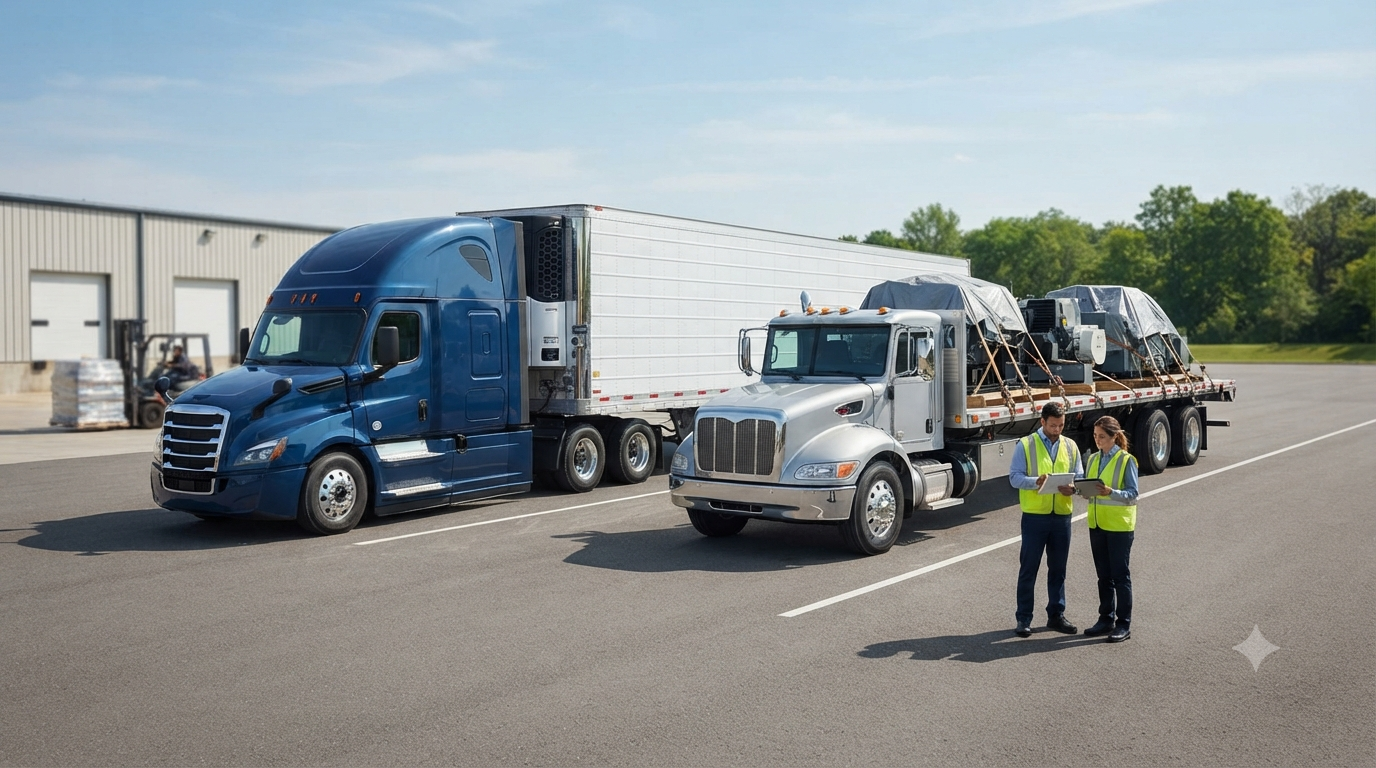
Reefer Operations
Commodity-sensitive insurance planning for refrigerated freight, including cargo limits, temperature-control exposures and equipment details.
Explore reefer insurance →Flatbed Operations
Coverage planning for open-deck hauling where securement, commodity type, trailer exposure and operating radius can affect underwriting.
Explore flatbed insurance →
Fleet Operations
Driver controls, equipment schedules, loss trends, maintenance and renewal planning for growing motor carriers.
Review fleet risk →Filings should not feel mysterious.
FMCSA requires proof of financial responsibility for many motor carriers before operating authority is granted and kept active. The filing conversation should begin early enough to confirm the applicable form, policy eligibility and matching legal entity information before authority or renewal becomes urgent.
- Federal and state filing conversations for eligible trucking policies.
- MCS-90, BMC-91/BMC-91X and state filing education.
- Support for new authority timing, policy changes and cancellation concerns.

Common filing topics
Filing availability depends on carrier, state, authority type and policy eligibility.
A cleaner path from “I need coverage” to “I know what’s next.”
Share operation details
Truck count, cargo, radius, DOT/MC number, drivers and current coverage.
Review filings and limits
We identify filing needs, contract requirements and practical coverage gaps.
Compare market options
We look for a fit based on eligibility, risk profile, coverage and budget.
Keep support close
Certificates, renewals, claims guidance and policy questions stay easy to reach.


Detailed pages for the questions truckers actually bring to an insurance agency.
Browse by operation, coverage or insurance task. Each guide is written to move a real quote or service conversation forward.
Request a quote built around your trucking operation.
Whether you are starting authority, renewing a policy, adding units, changing cargo or trying to fix filing problems, ClearSpan can organize the information needed for a focused coverage and market review.
Truck Insurance Quote Request
Questions truckers ask before they trust an agency.
Can ClearSpan help with a new authority?
Yes. A new-authority review can start with DOT/MC details, drivers, equipment, cargo, radius and the applicable filing requirements. Final eligibility and filings must be confirmed by the insurer or authorized financial-responsibility provider.
What information is needed for a quote?
Typical details include drivers, units, VINs, garaging ZIP, cargo, radius, prior coverage, loss history, DOT/MC numbers and requested filings.
Can coverage be bound online?
No. The website starts the request. Coverage must be reviewed and confirmed by a licensed representative and issuing insurer.
Do truckers need cargo coverage?
Many contracts require it, and coverage depends heavily on commodity type, cargo value, exclusions and carrier eligibility.
What is non-trucking liability?
It can help leased owner-operators when the truck is used for personal, non-business purposes outside dispatch, subject to policy terms.
How fast are filings completed?
Timing depends on the insurer, policy readiness and the filing involved. Required filings should be confirmed with the issuing insurer or authorized financial-responsibility provider, and authority status should be monitored with FMCSA.